Welcome To The Official Website Of Shaanxi Hanzhong Transformer Co., Ltd.!



[IEC 60076-11:2018] Power transformers - Part 11: Dry-type transformers
[IEC 60076-12:2008] Power transformers - Part 12: Loading guide for dry-type power transformers
[IEEE C57.12.01-2020] IEEE Standard for General Requirements for Dry-Type Distribution and Power Transformers
[IEEE C57.12.91-2020] IEEE Standard Test Code for Dry-Type Distribution and Power Transformers
[IEEE C57.94-2025] IEEE Recommended Practice for Installation, Application, Operation, and Maintenance of Dry-Type Distribution and Power Transformers
In recent years, China’s annual industrial gross output has kept increasing, while the energy consumption ratio remains at a high level. High energy consumption has become a bottleneck restricting national economic development. Therefore, the state has invested substantial funds to support energy‑saving and consumption‑reduction projects. Among them, variable‑frequency speed‑regulation technology has been widely applied in various industries. It can not only optimize processing techniques, extend equipment service life and improve working efficiency, but most importantly realize energy saving and consumption reduction, which has been well‑recognized and highly concerned by users.
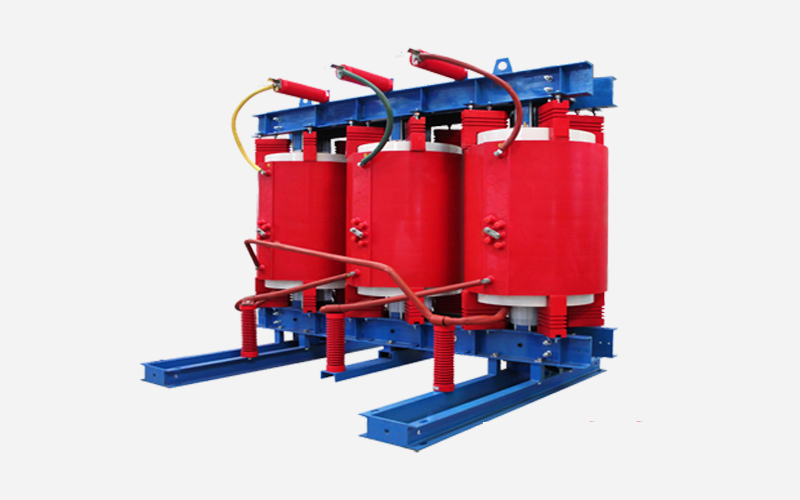
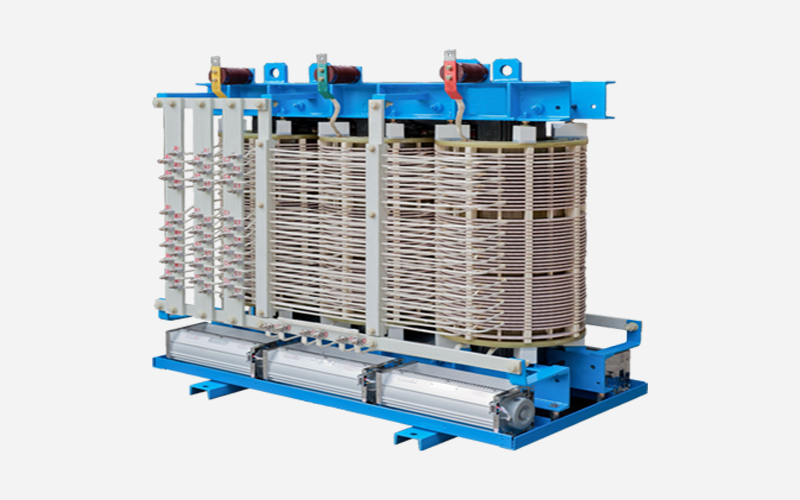
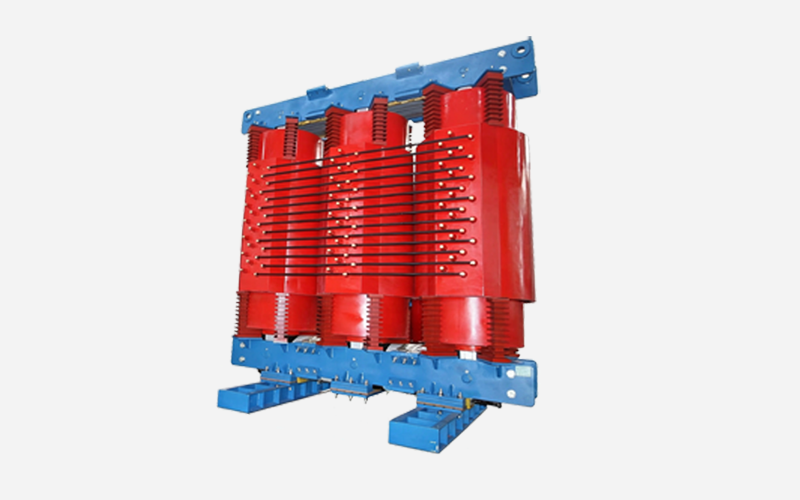
Dry‑type transformers for variable‑frequency speed regulation serve as the power unit of high‑voltage frequency converters. They perform functions of electrical isolation, phase shifting and multi‑pulse rectification, and are one of the core components of high‑voltage frequency converters. Mainly matched with complete cabinets of medium‑ and high‑voltage frequency converters and variable‑frequency speed regulators, they can effectively counteract harmonics when combined with frequency‑conversion power units, improve power grid quality, adjust motor speed and enhance power generation quality.
The dry‑type rectifier transformers for variable‑frequency speed regulation manufactured by our company adopt Class‑F and Class‑H insulation grades. New‑type insulation structures and advanced processes are applied in structural and electrical design to enhance short‑circuit withstand capability and electrical strength for higher reliability. Full consideration is given to the impact of harmonics generated by rectifier elements on transformer windings and iron cores during design. Sufficient design margin enables windings and iron cores to withstand additional temperature rise caused by harmonics while maintaining low noise, thus guaranteeing the service life of transformers.